

Our articles on document automation
5 Best French OCR Solutions to Extract Data from Your Documents
French OCR solutions now make it possible to automatically extract data from your invoices, contracts, and accounting documents using optical character recognition, with hosting based in France. Here is a real comparison of all five OCR solutions, corrected against current 2026 figures where vendor claims had gone stale, covering what actually differentiates them beyond the fact that they are all hosted in France.
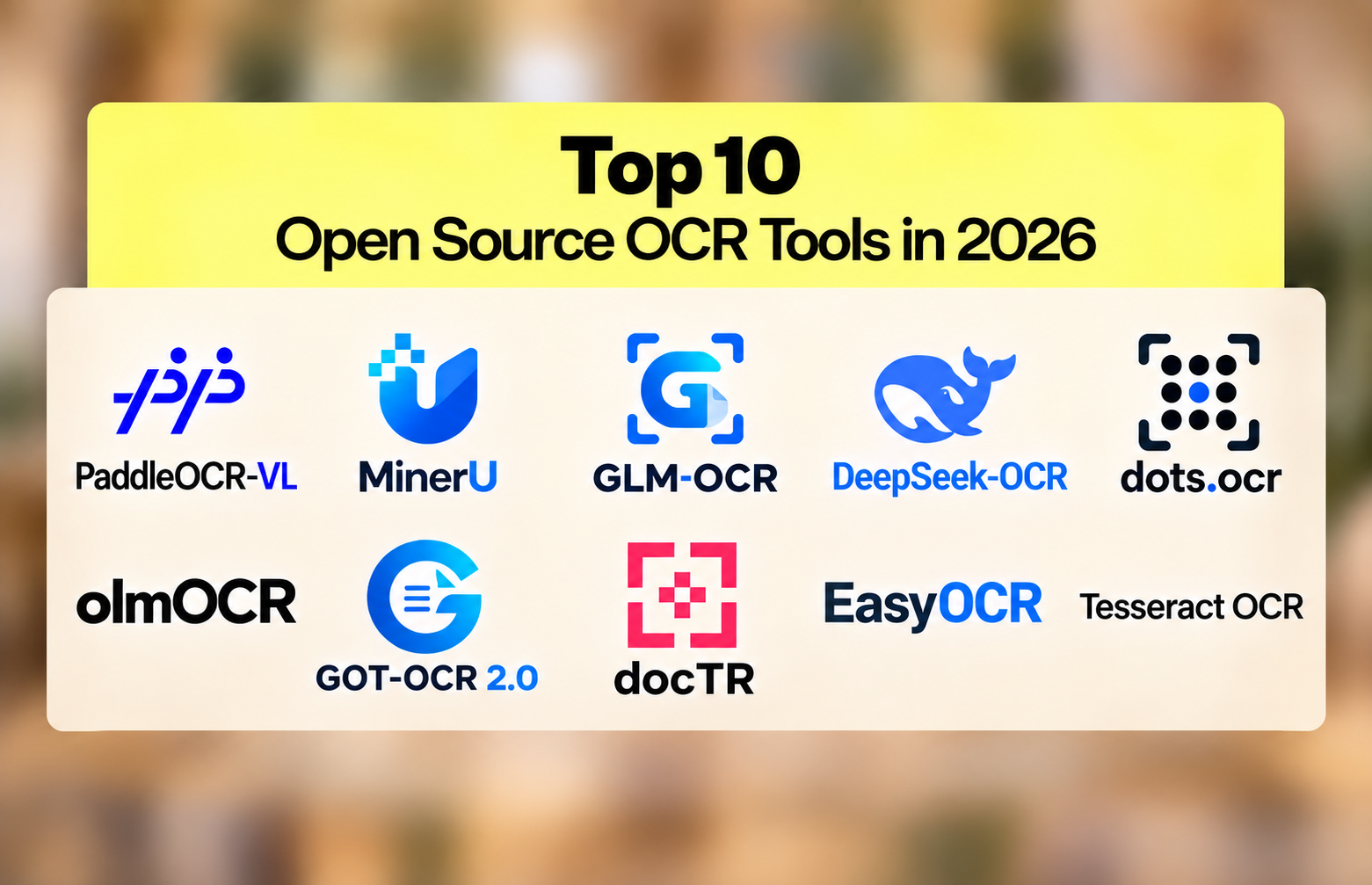
10 Best Open Source OCR Tools in 2026
The open source OCR ranking inverted in the past eighteen months. A 0.9-billion-parameter model now reads documents more accurately than a 235-billion-parameter one. PaddleOCR-VL scores 96.34% on OmniDocBench v1.6; Qwen3-VL-235B scores 89.78%. Here are the 10 best open source OCR engines in 2026 and how to pick between them.
Top 10 Document Fraud Detection Software in 2026
Every accuracy figure in this market is self-reported and none has ever been independently verified. Meanwhile forgery services sell documents built specifically to defeat named detection vendors, openly, on the indexed web. Here is our comparison of the 10 best document fraud detection software platforms and the five weaknesses that separate them.

Tesseract OCR: is it still the best open-source OCR in 2026?
Among the many solutions available on the market, Tesseract is often cited as one of the best open-source OCR tools. But is it still the best solution in 2026? We analyse its performance, strengths, limitations, and open-source OCR alternatives.
Top Handwriting OCR Tools for Precise Text Extraction
Recognizing handwriting remains one of the biggest challenges for OCR technologies. Between style variations, scanned documents of varying quality and demanding business contexts (health, HR, logistics...), not all solutions are the same. In this article, we compared the best OCRs capable of automatically reading and structuring handwritten documents in 2025, with a clear objective: reliability, time savings and integration into your business tools.


Invoice fraud : how to detect fake invoices and suspicious suppliers
Invoice fraud is often perceived as a marginal or exceptional risk. In reality, it is one of the most common sources of financial loss for organizations of all sizes. Fake invoices, supplier impersonation, payment diversion, and subtle manipulation of approval processes continue to bypass traditional controls. While some cases are caused by simple billing errors, invoice fraud is intentional by nature. It relies on small inconsistencies, operational pressure, and trust in documents that appear legitimate. Understanding how invoice fraud works is the first step toward detecting it before payment.
Driver onboarding process: managing license and vehicle documents at scale
As companies scale their operations, driver onboarding quickly shifts from a simple administrative step to a critical operational challenge. Licenses, vehicle documents, and compliance checks can silently slow down growth if they are not managed properly from day one.
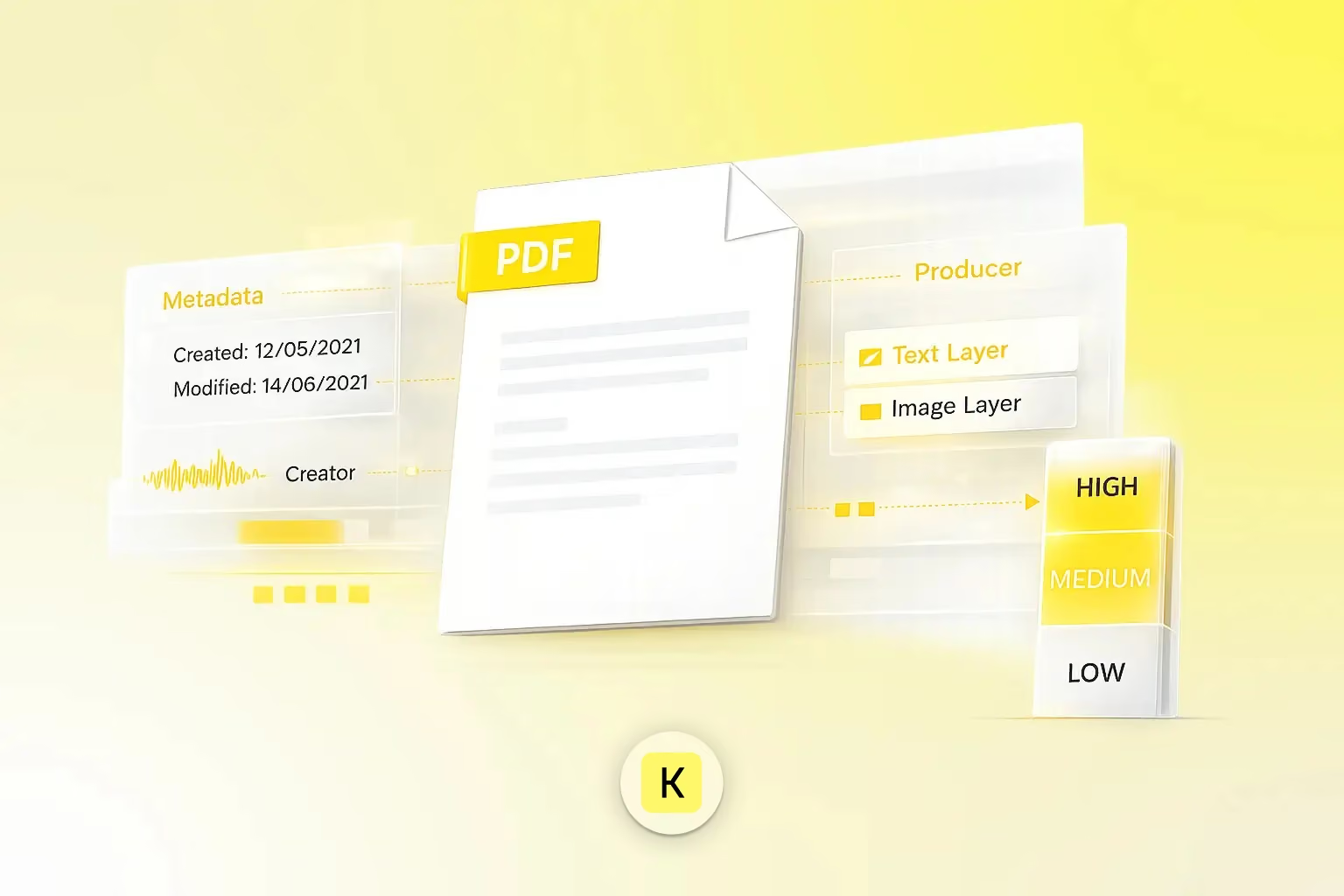
Fraud detection on documents: weak signals that matter
Modern document fraud is rarely obvious. It does not rely on crude forgeries anymore, but on documents that look legitimate, read correctly, and pass basic checks. Detecting fraud today is less about spotting errors, and more about identifying subtle technical signals that reveal inconsistencies, manipulation, or implausible trajectories. This article focuses on those weak but scalable signals, and on why combining them into a probabilistic score matters more than searching for a single proof.
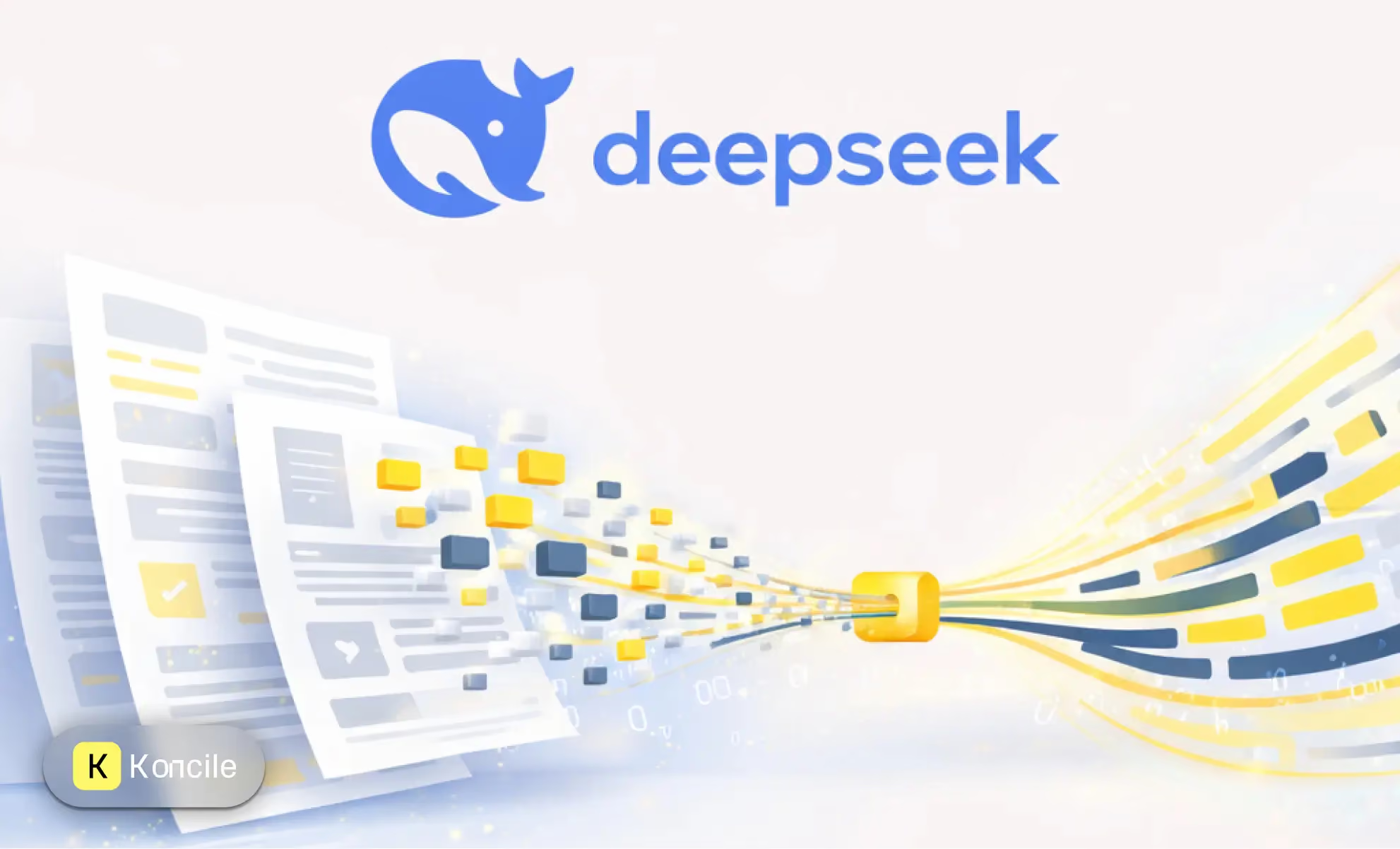
DeepSeek OCR made simple: architecture and context handling
DeepSeek OCR is drawing attention for long-document performance, but its design often feels opaque. This article breaks down its architecture, context compression, and what it means in practice.
AI Act: why 2026 will change everything for AI projects
On March 13, 2024, the European Union adopted the AI Act, the world's first global regulation dedicated to artificial intelligence, marking a historic turning point comparable to that of the GDPR. From 2026, all companies developing, integrating or using AI systems in Europe will have to prove that their models are traceable, explainable and controlled. The aim is to put an end to AI that is opaque, uncontrolled, and legally risky. Automations without supervision, decisions that are impossible to explain, “black box” models: what was tolerated yesterday is becoming a major legal, financial and reputational risk. The AI Act thus redefines the rules of the game and imposes a new strategic question on businesses: who will be ready in time, and who will discover the cost of non-compliance too late?

Koncile named start-up of the year by ADRA
Koncile was awarded Startup of the Year at the 10th edition of ADRA’Up. This recognition is particularly meaningful to us, as it comes from ADRA, widely regarded as the leading procurement network in France. ADRA brings together procurement directors and leaders from some of the country’s largest organizations, including groups such as LVMH and TotalEnergies. Being recognized by a community known for its high standards, maturity, and strong culture of collaboration gives this award special significance.
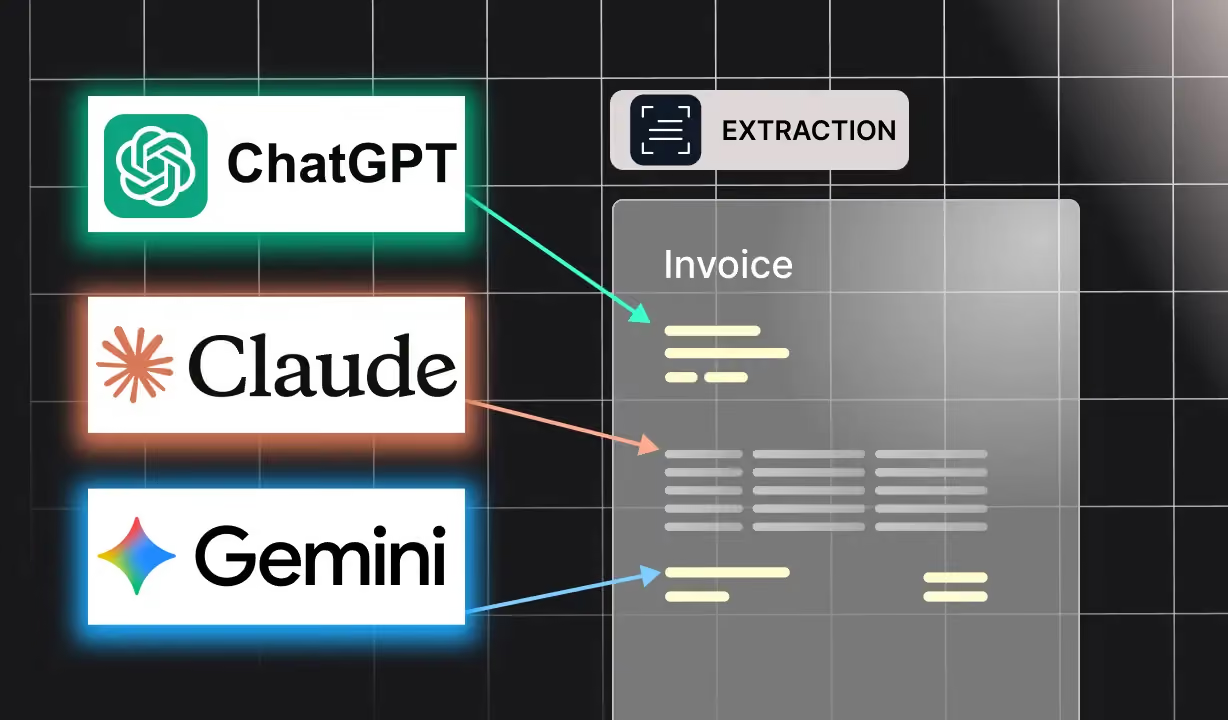
Claude, GPT or Gemini: Which is the Best LLM for Invoice Extraction?
Automating administrative management is no longer a luxury, but a necessity. Among time-consuming tasks, extracting invoice data is at the top of the list. Large Language Models (LLM) such as Claude (Anthropic), GPT (OpenAI), and Gemini (Google DeepMind) are positioned as powerful solutions for transforming an unstructured document into usable data.But which is the most efficient? To answer, we analyzed their accuracy, speed, cost, security and ease of integration.
Top Handwriting OCR Tools for Precise Text Extraction
Recognizing handwriting remains one of the biggest challenges for OCR technologies. Between style variations, scanned documents of varying quality and demanding business contexts (health, HR, logistics...), not all solutions are the same. In this article, we compared the best OCRs capable of automatically reading and structuring handwritten documents in 2025, with a clear objective: reliability, time savings and integration into your business tools.
Capture2Text OCR: A Free and Lightweight Text Recognition Tool — Analysis and Alternatives
Capture2Text OCR is an open-source and portable solution that instantly extracts text from any screen, image, or video. Lightweight and easy to use, it’s ideal for anyone needing a quick, offline OCR tool.
Bluebeam OCR vs Alternatives: Complete Comparison for PDF Text Recognition
Bluebeam OCR is the text recognition module built into Bluebeam Revu, designed to extract searchable and editable text from scanned PDF drawings. This guide breaks down its strengths, limitations, use cases, and the top alternatives used by construction, engineering, and architectural teams.
Umi OCR: The Free Open-Source OCR Solution Compared
Umi OCR is a lightweight, open-source OCR tool that has gained attention for its local processing, multilingual capabilities, and total data privacy. In this article, we’ll explore its features, advantages, and how it compares to other top OCR software in 2026.
Foxit OCR: Features, Advantages, and Best Alternatives for PDF Text Recognition
Foxit OCR is an integrated text recognition tool within Foxit PDF Editor, offering fast and precise character extraction from scanned PDFs. Ideal for document digitization, it remains one of the most popular OCR solutions for businesses seeking efficiency and simplicity.



Talk to an expert who knows your industry.
- Get an external expert opinion on your specific use case
- Benchmarks and results from hundreds of clients in your industry
- Help activating the right Koncile features for your workflow