
AI Act: why 2026 will change everything for AI projects
The European AI Act frames AI through risk. Learn what's changing for businesses, sanctions, and decisions to make.

On March 13, 2024, the European Union adopted the AI Act, the world's first global regulation dedicated to artificial intelligence, marking a historic turning point comparable to that of the GDPR. From 2026, all companies developing, integrating or using AI systems in Europe will have to prove that their models are traceable, explainable and controlled. The aim is to put an end to AI that is opaque, uncontrolled, and legally risky. Automations without supervision, decisions that are impossible to explain, “black box” models: what was tolerated yesterday is becoming a major legal, financial and reputational risk. The AI Act thus redefines the rules of the game and imposes a new strategic question on businesses: who will be ready in time, and who will discover the cost of non-compliance too late?
The core principle of the AI Act: regulation based on risk
The AI Act does not regulate artificial intelligence in a uniform way. Instead, it is built on a simple but decisive principle: the higher the potential impact of an AI system on individuals, rights, or society, the stricter the regulatory requirements.
This marks a clear shift compared to previous technology regulations. The key question is no longer whether a company uses AI, but how, where, and with what consequences. In other words, the regulation focuses less on the technology itself and more on its real-world use and effects.
Many organizations talk about the AI Act without having actually read it. That is hardly surprising. The regulation is long, dense, and highly technical. Yet understanding its operational logic does not require reading every article line by line.
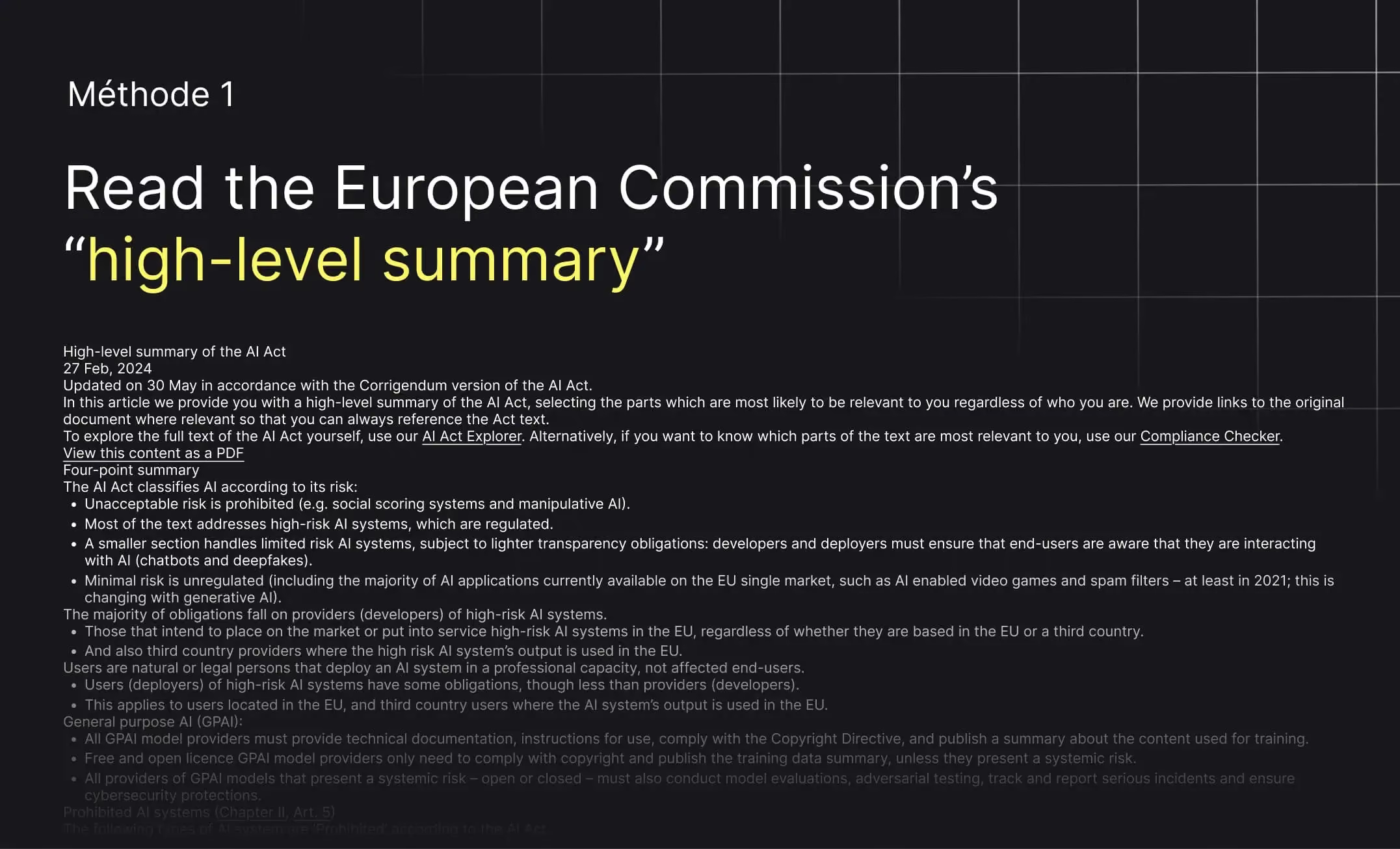
Even the “high-level summaries” published by the European Commission remain difficult to digest for product, engineering, or business teams. This is why a more practical approach is to reason through the AI Act using a series of structured questions, starting with risk classification.
The four risk levels defined by the AI Act
At the heart of the AI Act lies a four-tier risk classification. This is the starting point for any compliance analysis.
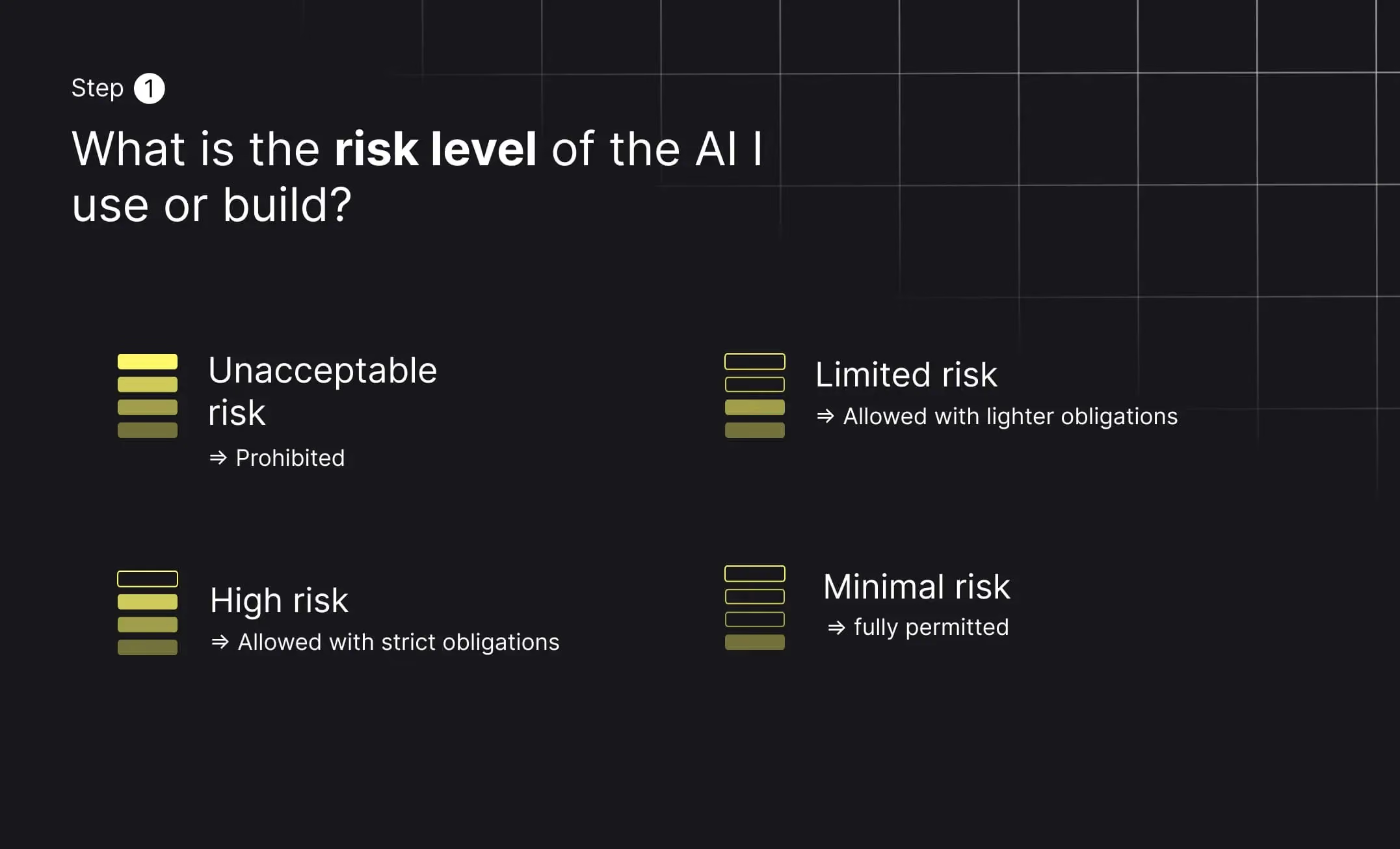
Unacceptable risk – prohibited
Certain AI uses are outright banned because they are considered incompatible with fundamental rights. These include social scoring, predictive policing based on profiling, real-time facial recognition without strict safeguards, and emotion recognition in the workplace or in education.
High risk – allowed but strictly regulated
High-risk systems are permitted, but only under strict conditions. They cover use cases where errors or biases could have serious legal, financial, or social consequences, such as healthcare, recruitment, credit, insurance, justice, critical infrastructure, or migration management. These systems are subject to strong governance and compliance obligations.
Limited risk – transparency obligations
When AI systems interact directly with humans, users must be clearly informed. This applies to chatbots, synthetic voices, and AI-generated or manipulated content.
Minimal risk – free use
Low-impact use cases such as spam filters, basic recommendation engines, or video games are not subject to specific regulatory constraints.
Quickly identifying prohibited AI use cases
Before diving into complex compliance efforts, the AI Act allows organizations to rule out certain scenarios early on. If a system falls under prohibited practices, compliance is not an option; the system must be abandoned or fundamentally redesigned.
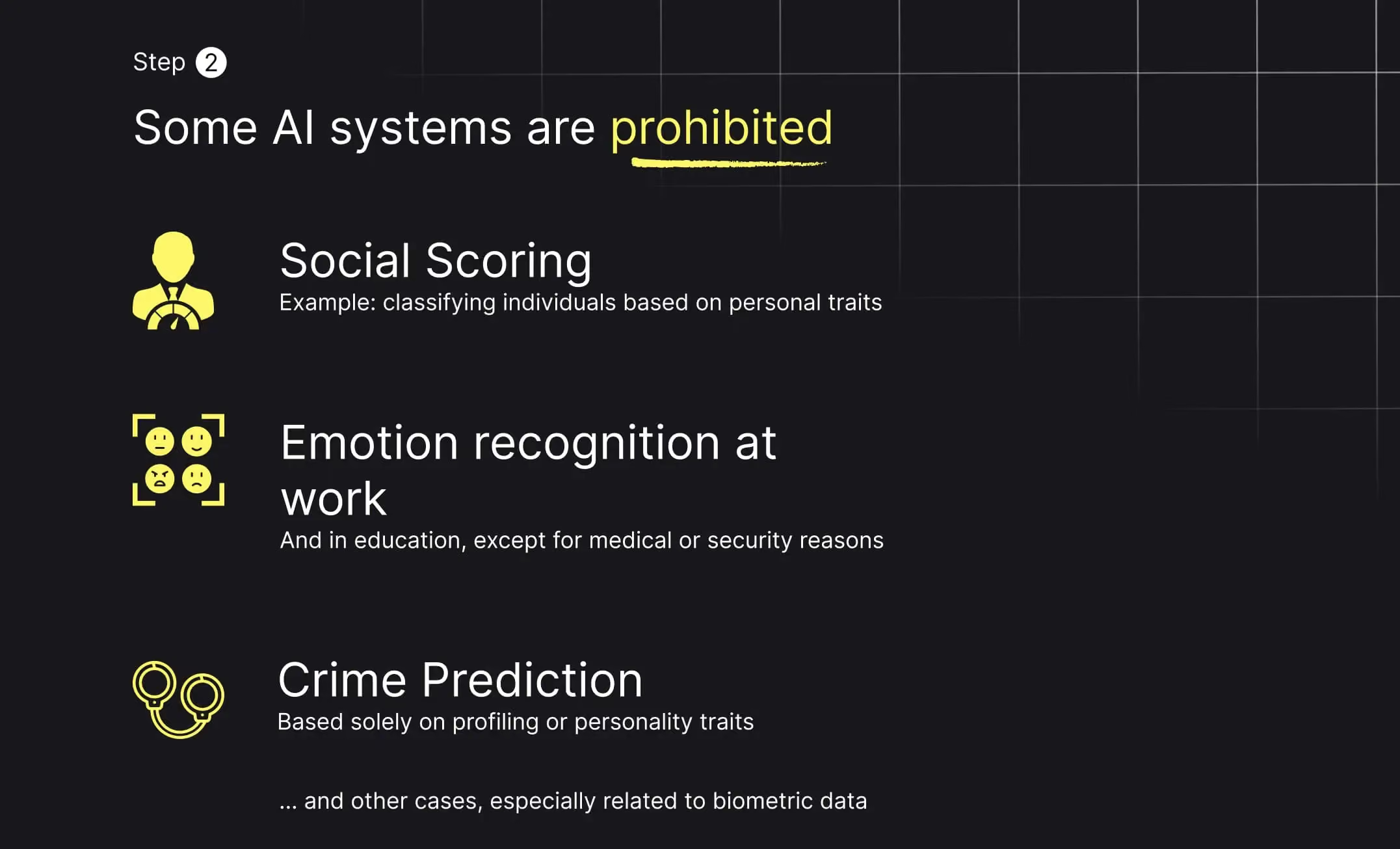
For most companies, this step is reassuring. If your AI does not score citizens, predict crimes based on personality traits, or infer employee emotions, you can move forward. This clarification helps reduce much of the anxiety surrounding the regulation.
Sensitive activities: where risk becomes real
The most critical zone begins when AI systems are deployed in so-called sensitive activities. In many real-world scenarios, these systems rely on large volumes of unstructured or semi-structured documents, such as medical records, identity documents, financial statements, or administrative files. Processing these inputs typically requires an OCR step to convert raw documents into usable data, which further amplifies the importance of accuracy, traceability, and human oversight under a regulatory framework like the AI Act.
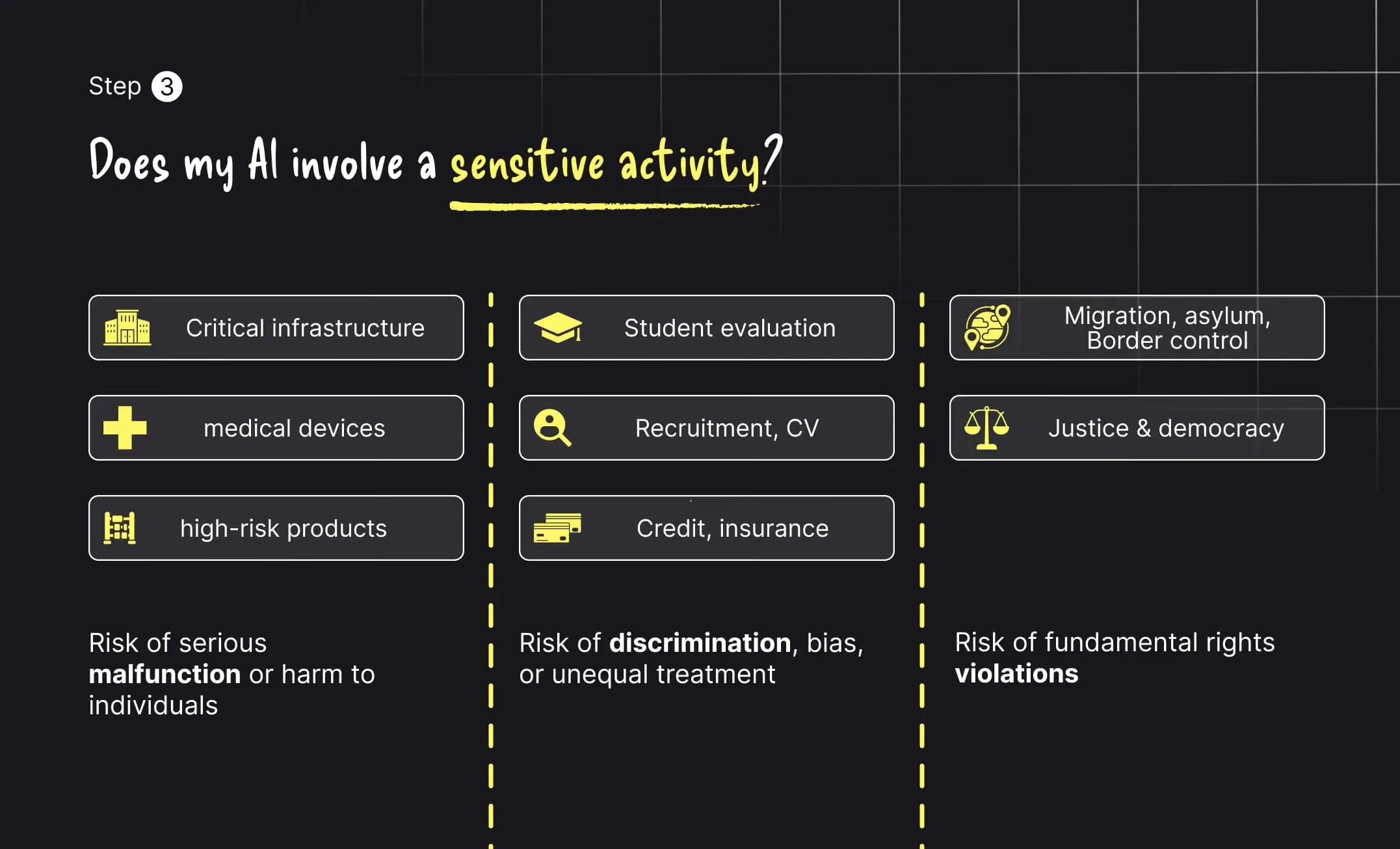
Critical infrastructure, medical devices, and high-risk products expose individuals to physical harm. Systems used for student evaluation, recruitment, CV screening, credit, or insurance carry risks of discrimination and unequal treatment. AI applied to migration, justice, or democratic processes directly affects fundamental rights.
In these contexts, AI is no longer a simple optimization tool. It becomes a decision-making actor that must be tightly controlled.
High-risk AI: reinforced and concrete obligations
When an AI system is classified as high risk, the AI Act leaves little room for interpretation. Compliance is based on clearly defined operational requirements.
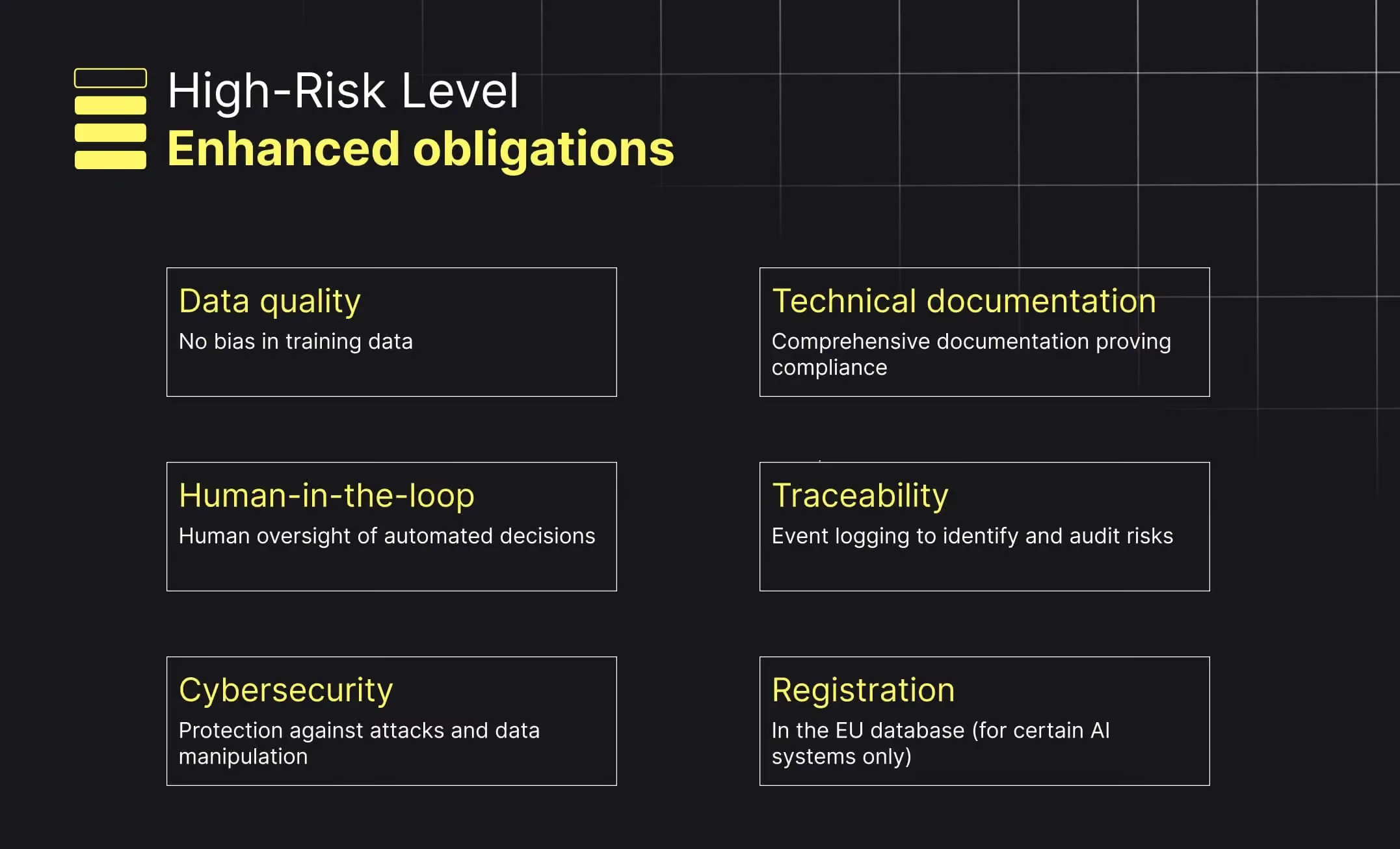
Organizations must demonstrate data quality and bias mitigation, maintain comprehensive technical documentation, ensure meaningful human oversight, enable decision traceability through logging, protect systems against cyber threats, and, in some cases, register models in a European database.
These requirements fundamentally change how AI systems are designed. They favor structured, auditable, and governable architectures over opaque “black box” approaches. This shift aligns closely with the principles of intelligent document processing, which focus on traceability, explainability, and operational control across complex AI-driven workflows.
Limited-risk AI: transparency as the key requirement
Not all AI projects fall into the high-risk category. Many common generative AI use cases are classified as limited risk.
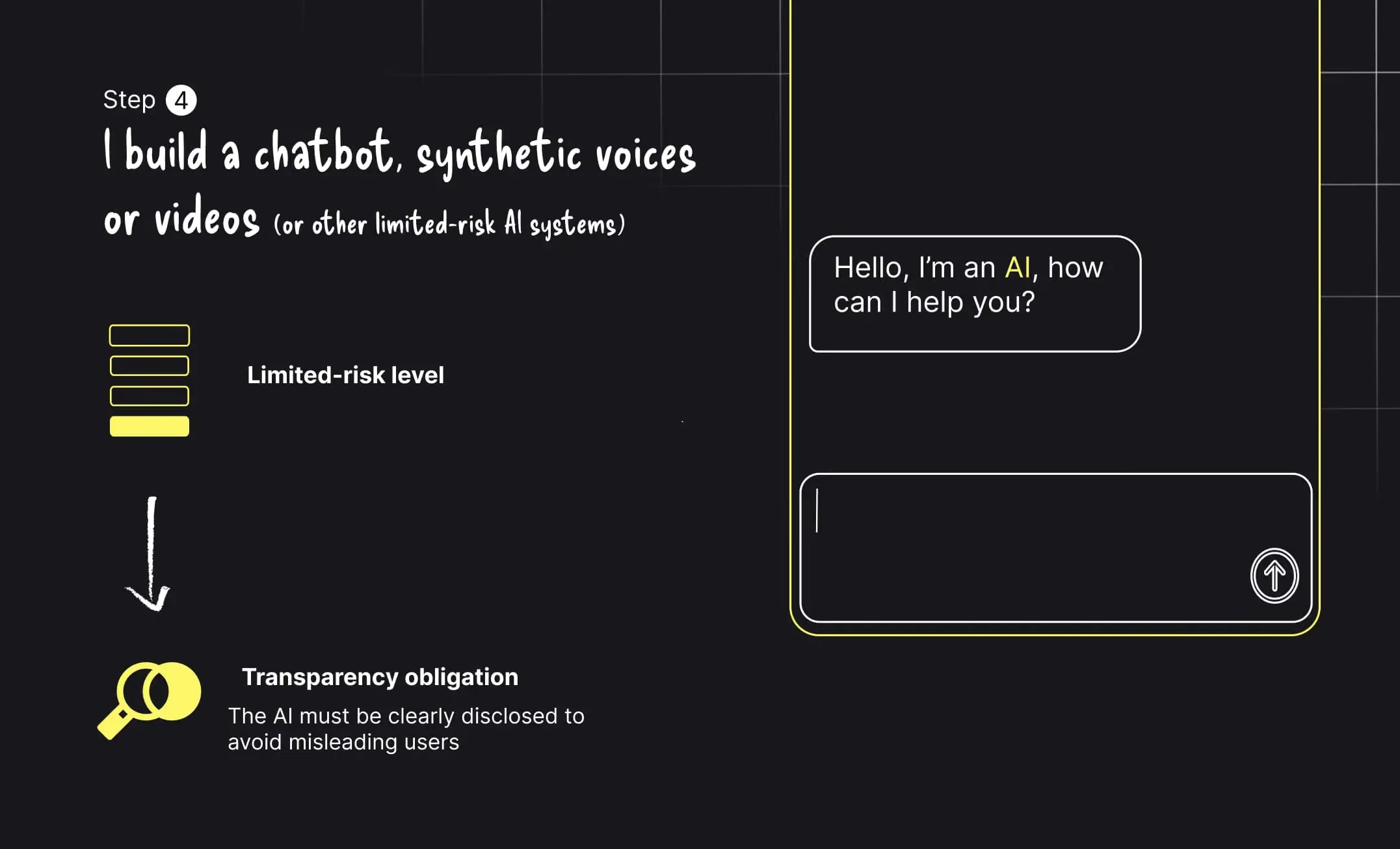
In these situations, the core requirement is straightforward but non-negotiable: transparency. Users must be informed when they are interacting with an AI system or consuming AI-generated content. The goal is to preserve trust and prevent users from being misled, intentionally or not.
Generative AI and general-purpose models: the end of opacity
The AI Act also introduces a dedicated framework for General Purpose AI (GPAI), including large language models. These models must provide sufficiently detailed summaries of their training data, respect copyright law, conduct safety testing, and declare models that pose systemic risk due to their scale or computational power.
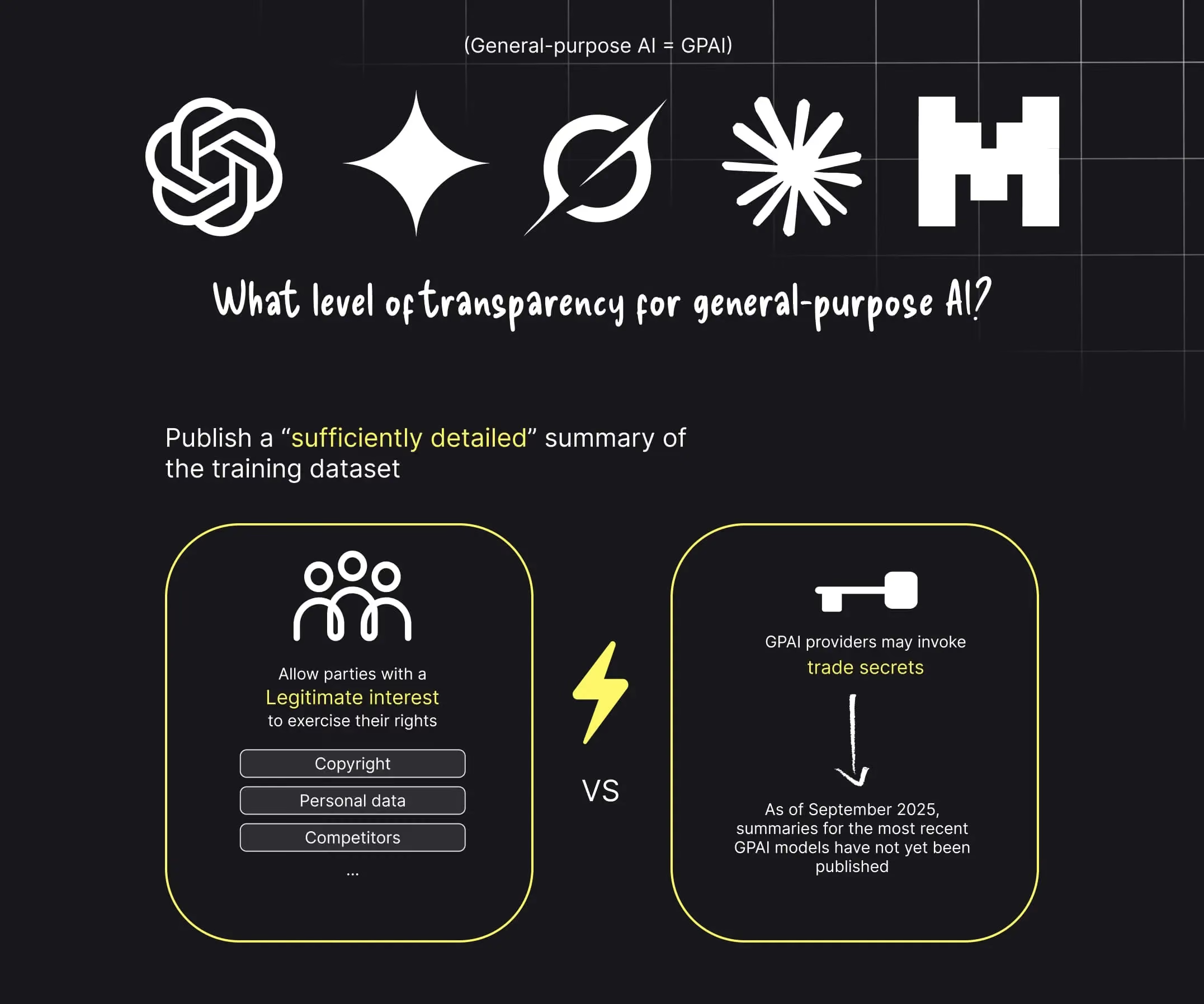
Although some implementation details are still being clarified, one principle is already clear: large-scale AI systems can no longer operate in total opacity within the European market.
Governance, timeline, and sanctions
Enforcement of the AI Act will be overseen by a European AI Office. Implementation follows a phased timeline: early bans on prohibited practices, followed by GPAI obligations, and finally full compliance for high-risk systems over the next two to three years.
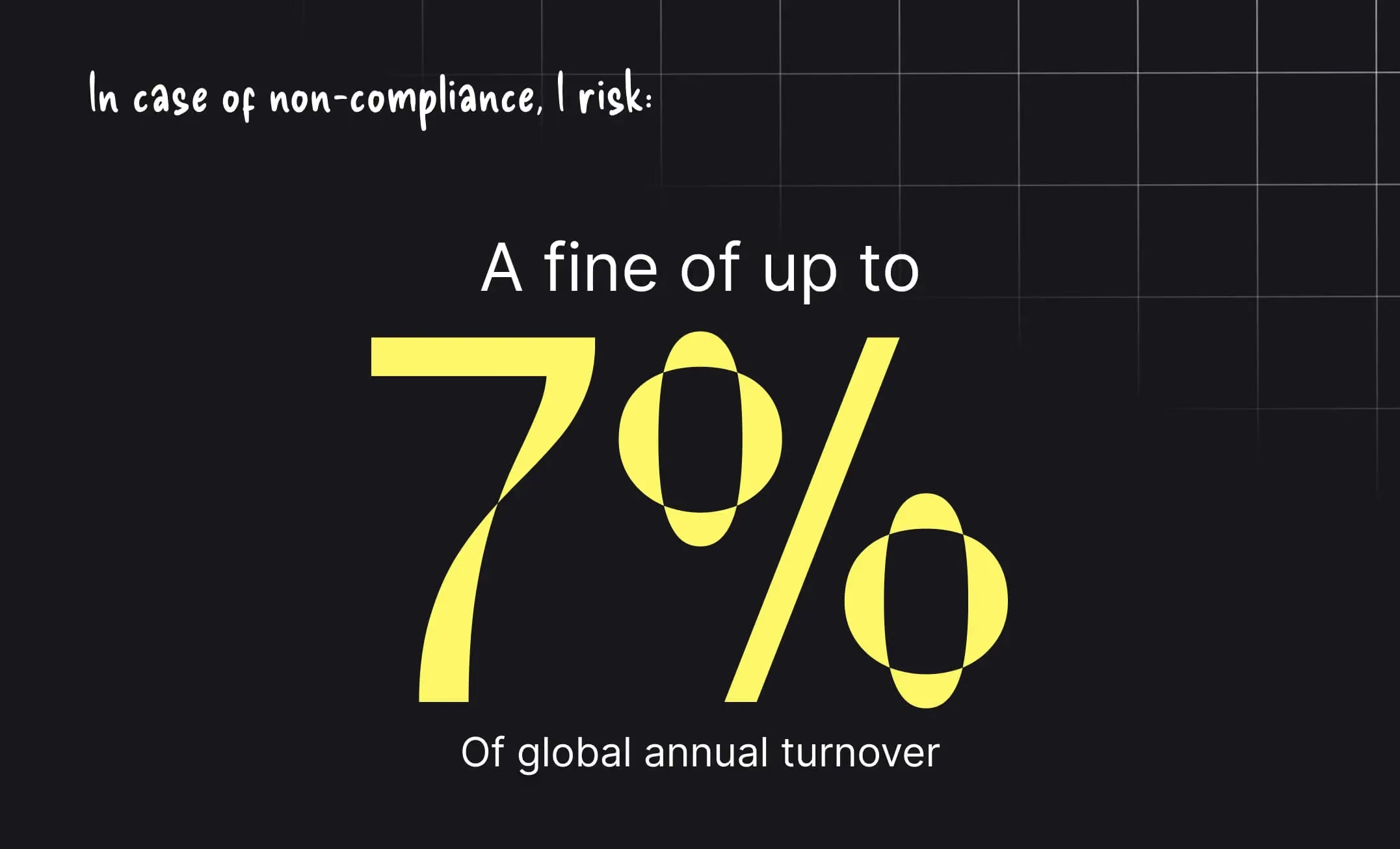
Fines can reach up to 7% of global annual turnover, placing the AI Act on par with the GDPR in terms of financial and reputational impact.
In summary
The AI Act does not signal the end of AI in enterprise environments. It marks the end of uncontrolled AI. Organizations that invest early in data structuring, decision traceability, and human oversight will not merely achieve compliance. They will turn regulatory constraints into a durable strategic advantage.
FAQ

Real life insights on document automation
Best Accounting Software for Sole Proprietors and Freelancers in 2026
A freelancer sending a dozen invoices a month can blow through Xero's cheapest plan by week three, and a $19-a-month FreshBooks account caps out at five clients. The number on a pricing page is rarely the number you actually pay. Here is a real comparison of QuickBooks, Xero, Wave, and FreshBooks built for a business of one, not a growing team.

Why Do OCR & Machine Translation Fail Without AI?
Japanese combines three writing systems on one page and should be a hard case for OCR. Benchmark research found the opposite: Japanese accuracy exceeds Latin script. Arabic and Hebrew are where things genuinely go wrong, for specific, documented reasons. Here is what real research shows about why scripts fail differently, and what actually stops the errors before translation compounds them.
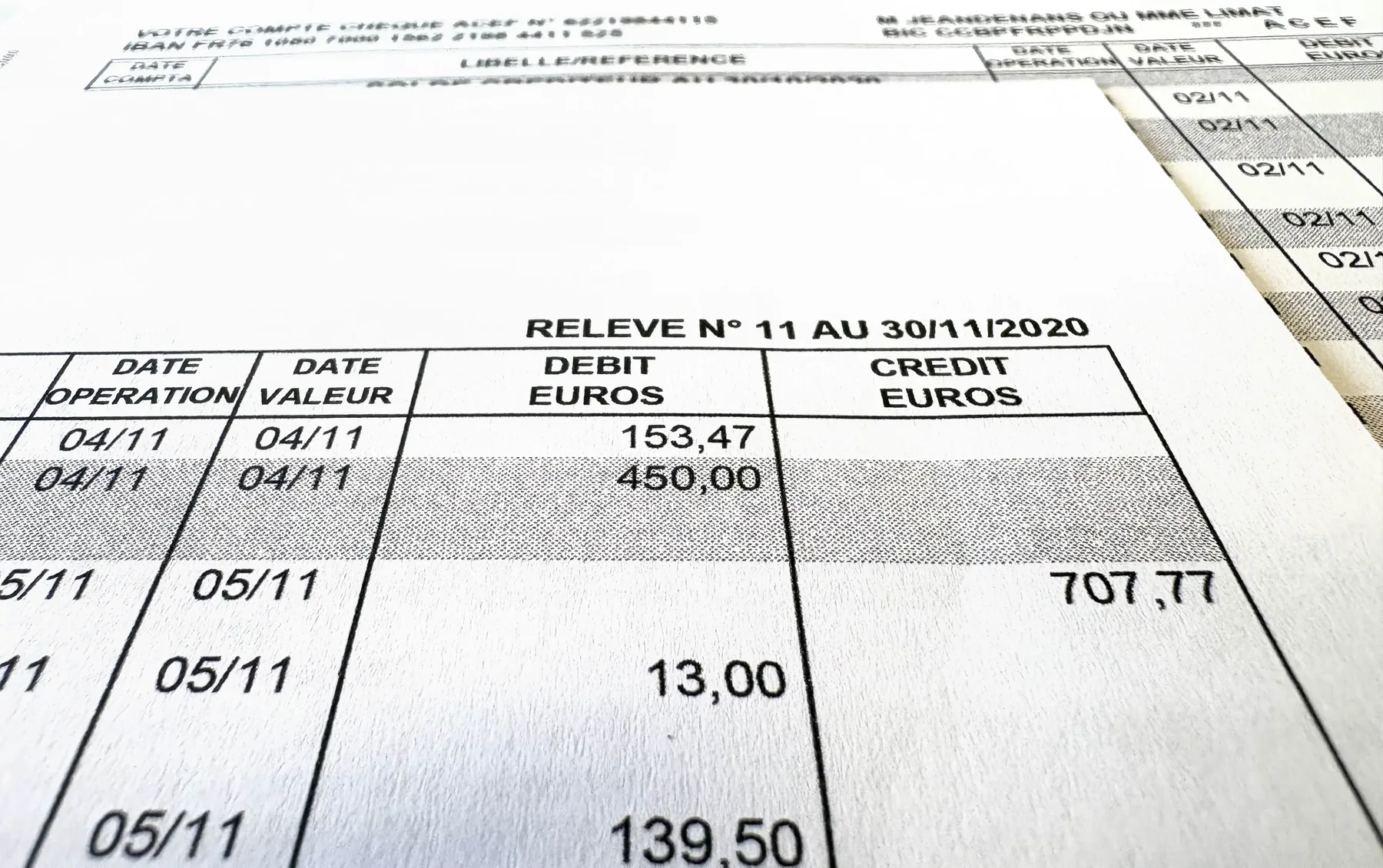
How to Detect a Fake Bank Statement: Our 9 Methods
Bank statements are one of the documents most exposed to fraud. At Koncile, we detect up to 1.4% of edited or tampered statements in a set of 150,000 statements. AI generated deepfakes get a lot of attention, but focusing only on them today would be a mistake.
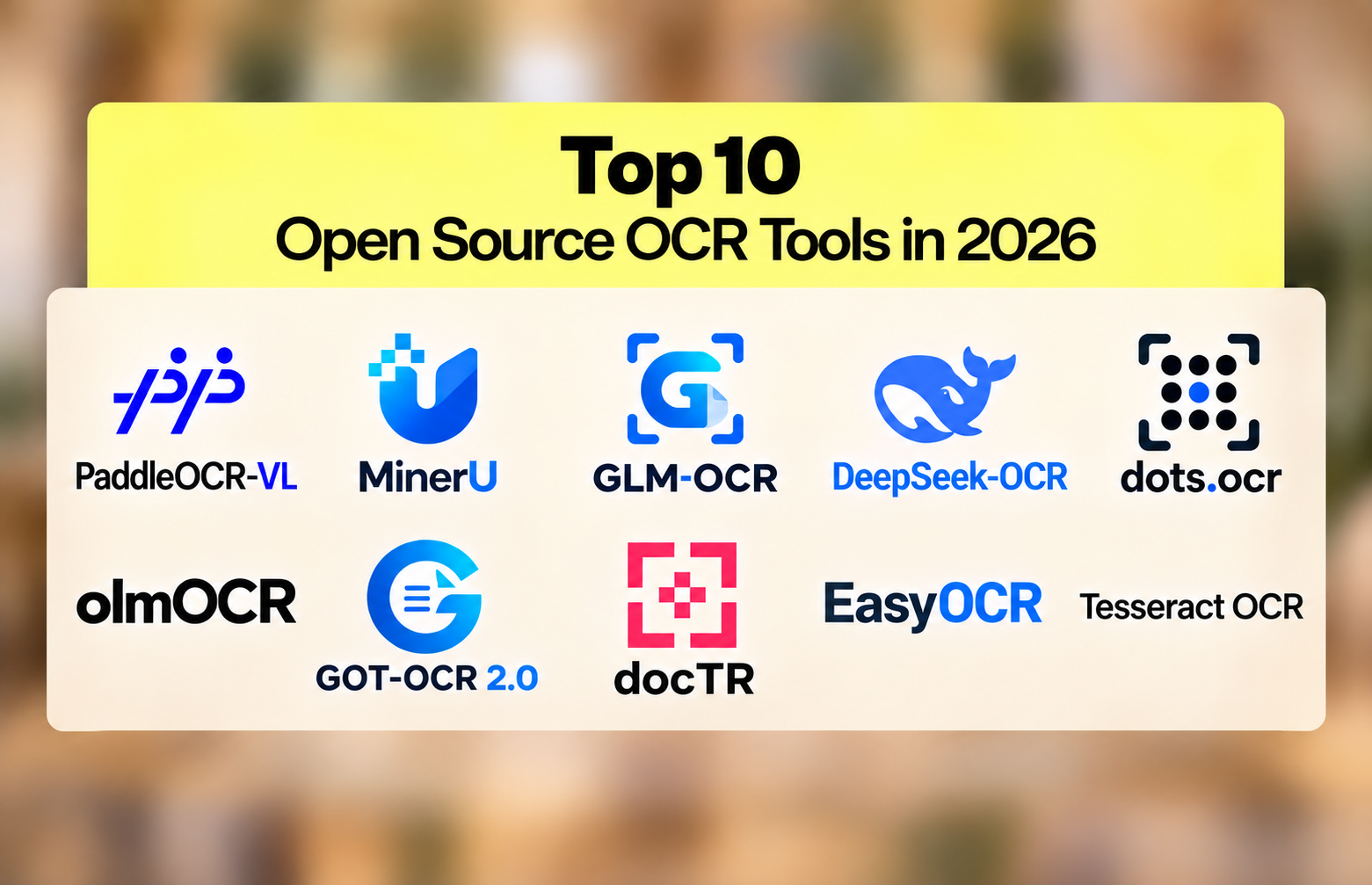
10 Best Open Source OCR Tools in 2026
The open source OCR ranking inverted in the past eighteen months. A 0.9-billion-parameter model now reads documents more accurately than a 235-billion-parameter one. PaddleOCR-VL scores 96.34% on OmniDocBench v1.6; Qwen3-VL-235B scores 89.78%. Here are the 10 best open source OCR engines in 2026 and how to pick between them.