

Our articles on document automation
Why Do OCR & Machine Translation Fail Without AI?
Japanese combines three writing systems on one page and should be a hard case for OCR. Benchmark research found the opposite: Japanese accuracy exceeds Latin script. Arabic and Hebrew are where things genuinely go wrong, for specific, documented reasons. Here is what real research shows about why scripts fail differently, and what actually stops the errors before translation compounds them.
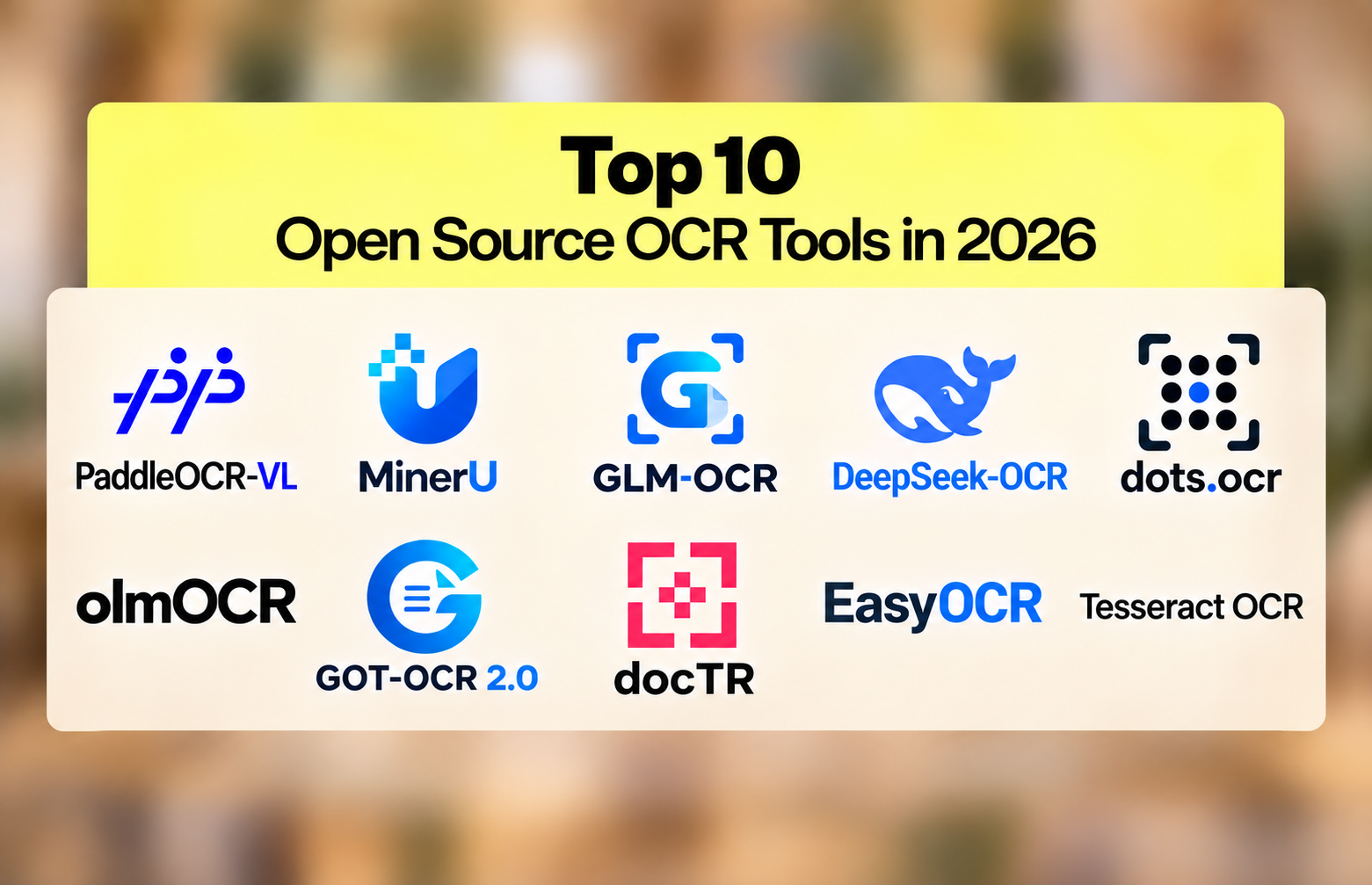
10 Best Open Source OCR Tools in 2026
The open source OCR ranking inverted in the past eighteen months. A 0.9-billion-parameter model now reads documents more accurately than a 235-billion-parameter one. PaddleOCR-VL scores 96.34% on OmniDocBench v1.6; Qwen3-VL-235B scores 89.78%. Here are the 10 best open source OCR engines in 2026 and how to pick between them.
Top 10 Document Fraud Detection Software in 2026
Every accuracy figure in this market is self-reported and none has ever been independently verified. Meanwhile forgery services sell documents built specifically to defeat named detection vendors, openly, on the indexed web. Here is our comparison of the 10 best document fraud detection software platforms and the five weaknesses that separate them.
.avif)
Tesseract OCR: is it still the best open-source OCR in 2026?
Among the many solutions available on the market, Tesseract is often cited as one of the best open-source OCR tools. But is it still the best solution in 2026? We analyse its performance, strengths, limitations, and open-source OCR alternatives.
.avif)
Top Handwriting OCR Tools for Precise Text Extraction
Recognizing handwriting remains one of the biggest challenges for OCR technologies. Between style variations, scanned documents of varying quality and demanding business contexts (health, HR, logistics...), not all solutions are the same. In this article, we compared the best OCRs capable of automatically reading and structuring handwritten documents in 2025, with a clear objective: reliability, time savings and integration into your business tools.
Why Do OCR & Machine Translation Fail Without AI?
Japanese combines three writing systems on one page and should be a hard case for OCR. Benchmark research found the opposite: Japanese accuracy exceeds Latin script. Arabic and Hebrew are where things genuinely go wrong, for specific, documented reasons. Here is what real research shows about why scripts fail differently, and what actually stops the errors before translation compounds them.
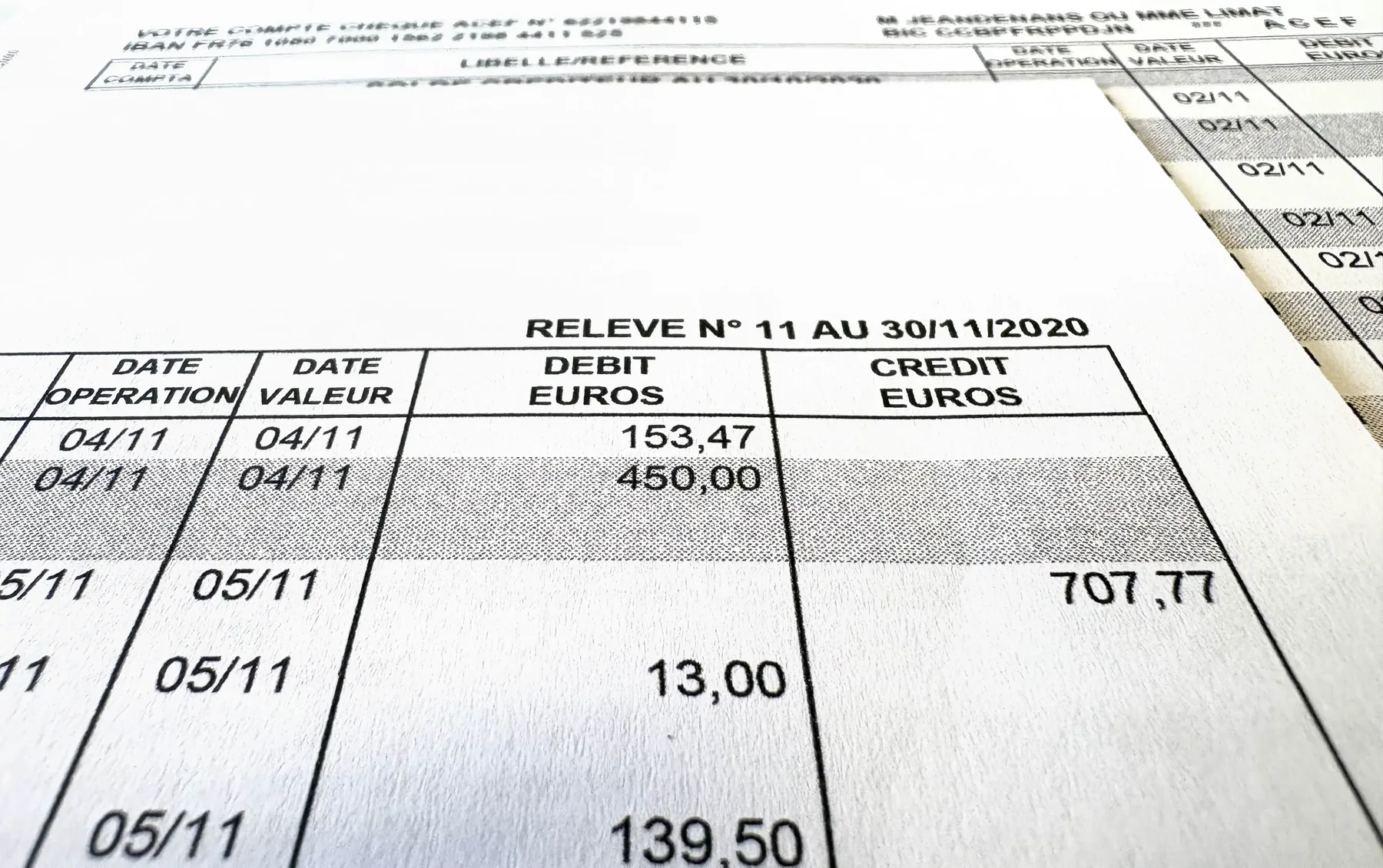
How to Detect a Fake Bank Statement: Our 9 Methods
Bank statements are one of the documents most exposed to fraud. At Koncile, we detect up to 1.4% of edited or tampered statements in a set of 150,000 statements. AI generated deepfakes get a lot of attention, but focusing only on them today would be a mistake.
10 Best Open Source OCR Tools in 2026
The open source OCR ranking inverted in the past eighteen months. A 0.9-billion-parameter model now reads documents more accurately than a 235-billion-parameter one. PaddleOCR-VL scores 96.34% on OmniDocBench v1.6; Qwen3-VL-235B scores 89.78%. Here are the 10 best open source OCR engines in 2026 and how to pick between them.
Top 10 Document Fraud Detection Software in 2026
Every accuracy figure in this market is self-reported and none has ever been independently verified. Meanwhile forgery services sell documents built specifically to defeat named detection vendors, openly, on the indexed web. Here is our comparison of the 10 best document fraud detection software platforms and the five weaknesses that separate them.
Tesseract OCR: is it still the best open-source OCR in 2026?
Among the many solutions available on the market, Tesseract is often cited as one of the best open-source OCR tools. But is it still the best solution in 2026? We analyse its performance, strengths, limitations, and open-source OCR alternatives.
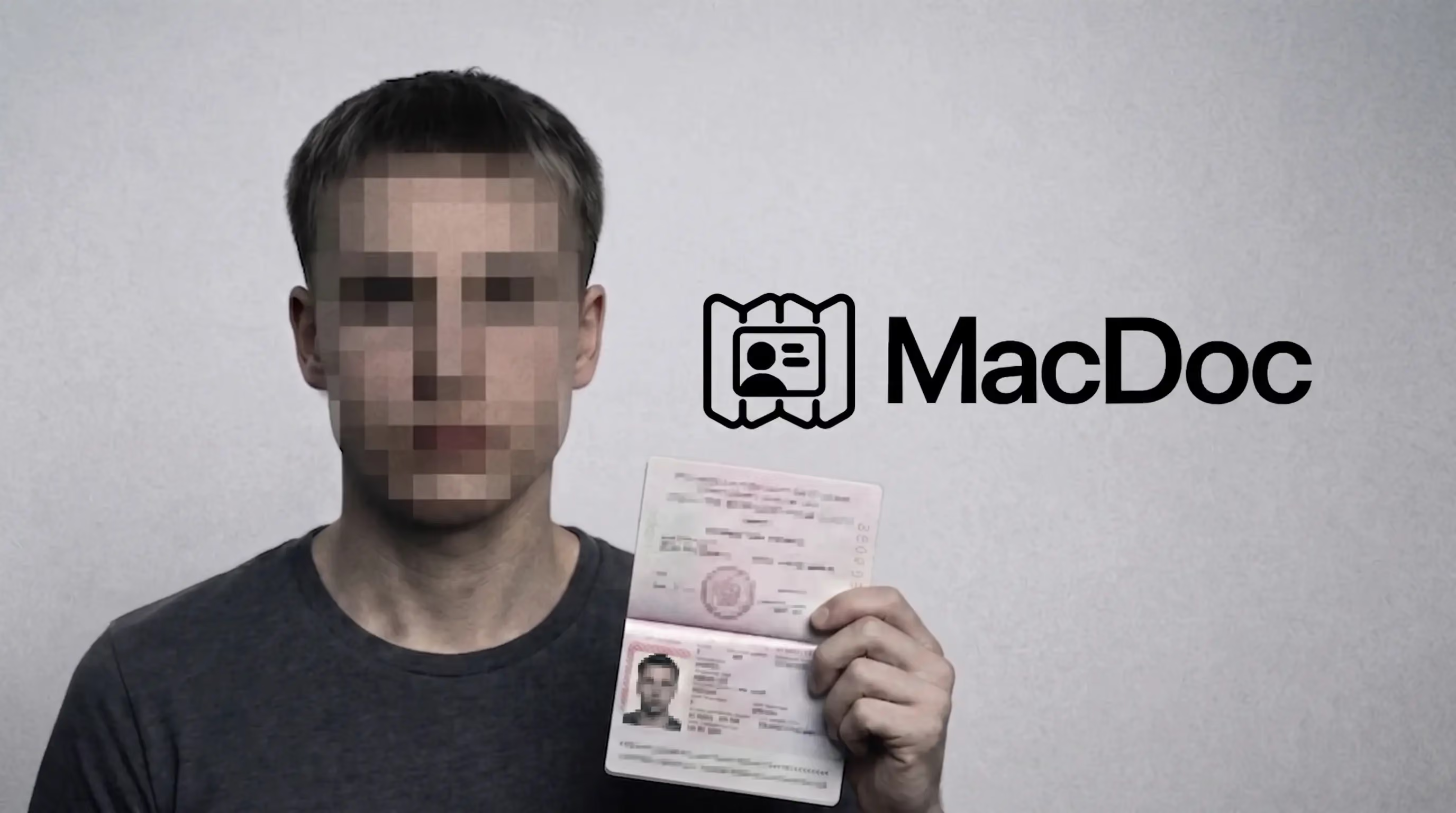
Developers launch MacDoc, an illegal fake passport generator
In February 2026, US authorities shut down OnlyFake, a widely used fake document generator. Weeks later, an identical service reopened under the name MacDoc. Its forgeries are getting past the KYC checks of major institutions including PayPal, Airbnb and Coinbase.
.avif)
Document deepfakes: catch the fakes slipping past your checks (2026)
In 2026, document fraud has a new face: the document deepfake, a fake generated entirely by AI. According to Shufti's Identity Fraud Index 2026, it's the fastest-growing fraud category, with an annualized increase estimated at nearly 3,900%. What sets these fakes apart: they're clean on the surface. Here's how to detect the ones still slipping past your checks.

5 Best French OCR Solutions to Extract Data from Your Documents
Five French OCR solutions now make it possible to automatically extract data from your invoices, contracts, and accounting documents using optical character recognition, with hosting based in France. Here's our overview.

MCP OCR: How Koncile Lets AI Agents Extract Documents Natively
Until recently, connecting an OCR engine to an AI assistant meant writing custom code, managing API calls manually, and building the glue between your language model and your document processing pipeline. With the Model Context Protocol (MCP), that entire layer disappears. At Koncile, we built an MCP OCR server so that Claude, Cursor, or any compatible AI agent can extract, read, and manage documents without a single line of integration code
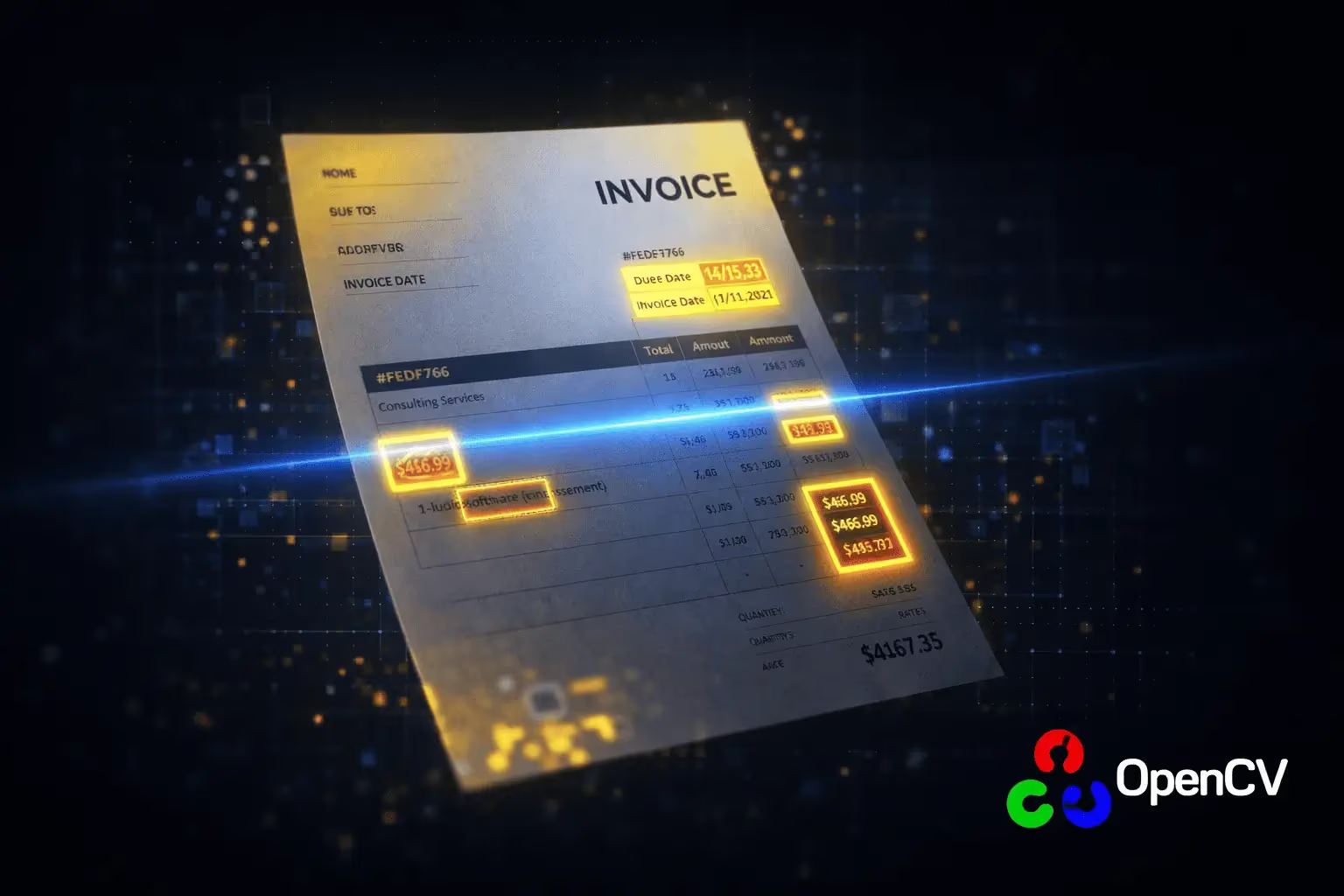
OpenCV in Python: Detecting Document Fraud Through Image Analysis
OpenCV is one of the most widely used computer vision libraries in Python. But can it really detect document fraud? In this article, we test OpenCV on several real-world falsification scenarios: amount modification, signature copy-paste, inpainting removal, and compression analysis (ELA). The objective is simple: understand what visual detection can actually identify and where its limits are.


Invoice fraud : how to detect fake invoices and suspicious suppliers
Invoice fraud is often perceived as a marginal or exceptional risk. In reality, it is one of the most common sources of financial loss for organizations of all sizes. Fake invoices, supplier impersonation, payment diversion, and subtle manipulation of approval processes continue to bypass traditional controls. While some cases are caused by simple billing errors, invoice fraud is intentional by nature. It relies on small inconsistencies, operational pressure, and trust in documents that appear legitimate. Understanding how invoice fraud works is the first step toward detecting it before payment.
Driver onboarding process: managing license and vehicle documents at scale
As companies scale their operations, driver onboarding quickly shifts from a simple administrative step to a critical operational challenge. Licenses, vehicle documents, and compliance checks can silently slow down growth if they are not managed properly from day one.
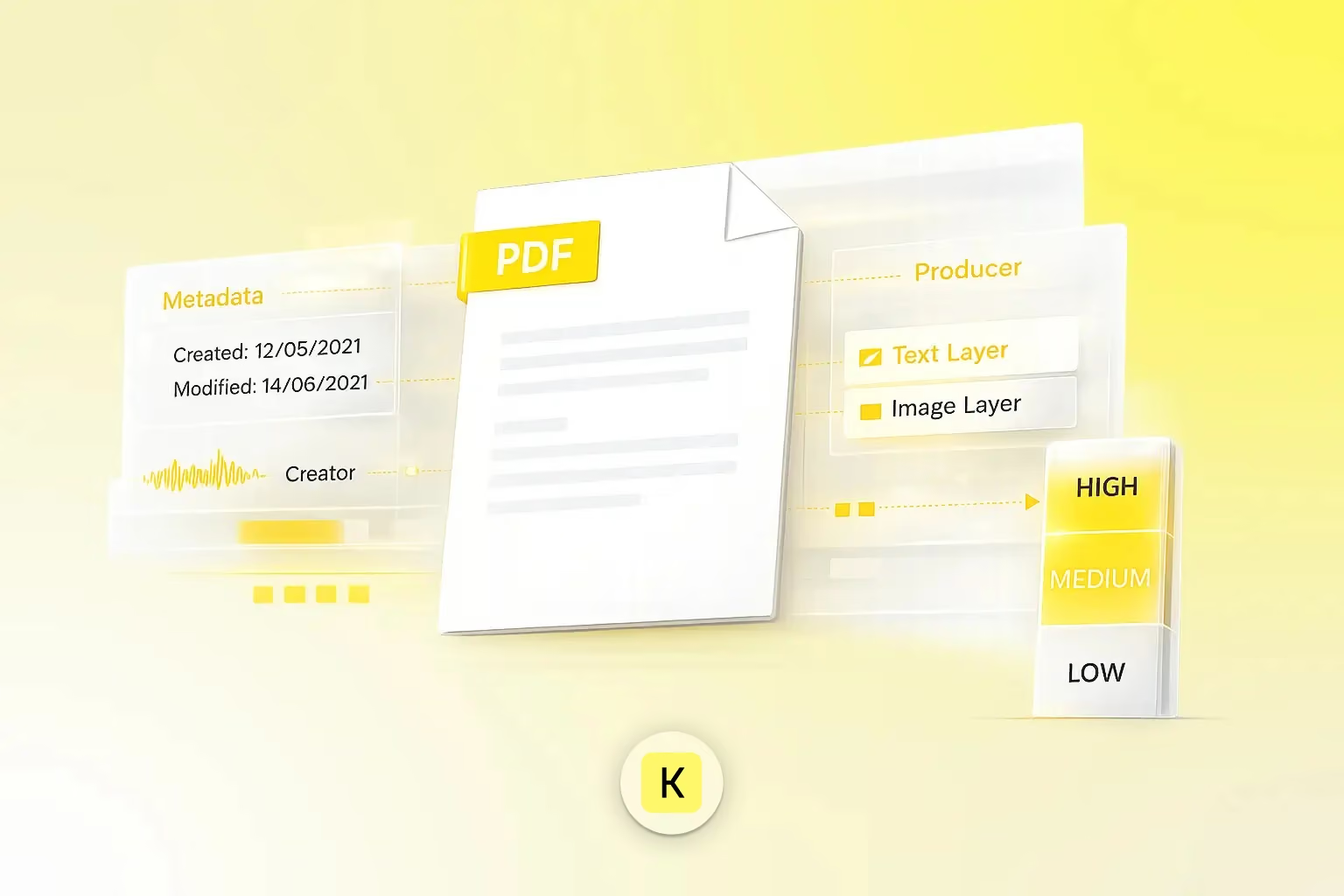
Fraud detection on documents: weak signals that matter
Modern document fraud is rarely obvious. It does not rely on crude forgeries anymore, but on documents that look legitimate, read correctly, and pass basic checks. Detecting fraud today is less about spotting errors, and more about identifying subtle technical signals that reveal inconsistencies, manipulation, or implausible trajectories. This article focuses on those weak but scalable signals, and on why combining them into a probabilistic score matters more than searching for a single proof.



Talk to an expert who knows your industry.
- Get an external expert opinion on your specific use case
- Benchmarks and results from hundreds of clients in your industry
- Help activating the right Koncile features for your workflow